In this file
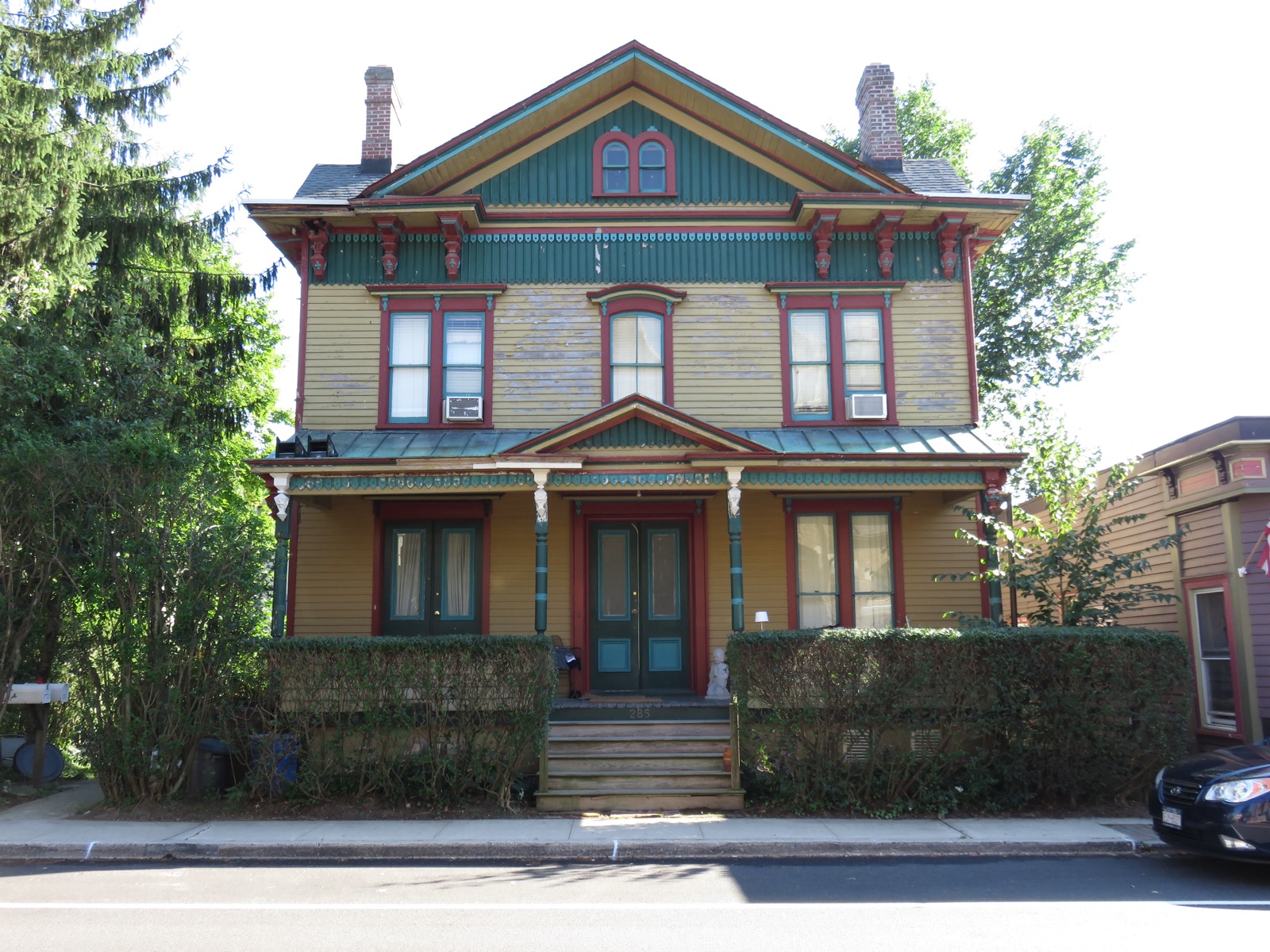
New York law controls how much deposit a landlord can ask, where it is held and how fast it comes back. The rules below follow the Attorney General’s tenants’ guide and the statute behind it. Other tenant protections are on the renting hub.
What is the maximum security deposit in New York?
All tenants can be required to give a deposit at the start of the tenancy, limited to no more than one month’s rent. The statute, General Obligations Law section 7-108, bars any deposit or advance above one month’s rent, with exceptions for seasonal-use units and owner-occupied co-ops. A seasonal-use unit is one whose tenant occupies it for no more than 120 days or a shorter period set in the lease. Any agreement in which a tenant waives these rights is void. The one-month limit also means a landlord cannot ask for last month’s rent and a deposit.
If the lease is renewed at a higher amount, or the rent rises during the lease, the landlord may collect extra money to bring the deposit up to the new monthly rent. For broader tenant rules, see tenant rights in New York.
Where the landlord must keep the money
Landlords, whatever the number of units, must treat deposits as trust funds belonging to tenants and may not mix them with their own money. Buildings with six or more apartments must keep all deposits in a New York bank account earning interest at the prevailing rate. Each tenant must be told in writing the bank’s name and address and the amount of the deposit.
Interest splits two ways. The landlord may keep annual administrative expenses of 1% of the deposit, and all other interest belongs to the tenant. In the Attorney General’s worked example, the tenant is entitled to $5.00 and the landlord may keep $10.00, 1% of the deposit, as an administrative fee. A landlord of a building with fewer than six apartments who voluntarily uses an interest-bearing account must follow the same rules.
When you move in
After the lease is signed but before the tenant begins occupancy, the landlord must offer the tenant a chance to inspect the premises with the landlord or the landlord’s agent to determine the condition of the property. If the tenant asks for the inspection, both sides sign a written agreement before move-in that notes existing defects and damage. At move-out the landlord may not keep any of the deposit for a condition noted in that agreement, or for damage caused by a prior tenant.
The move-out inspection
A tenant planning to move out can ask the landlord to inspect before the move-out date. The landlord must allow the tenant to be present and must say what needs to be fixed or cleaned.
The statute sets the sequence. The landlord must tell the tenant in writing of the right to request a move-out inspection and to be present at it. If the tenant asks, the inspection must happen no earlier than two weeks and no later than one week before the end of the tenancy. The landlord must give at least 48 hours written notice of the date and time. After the inspection the landlord gives an itemized statement of the repairs or cleaning that may be deducted, and the tenant can fix those items before the tenancy ends.
The 14-day return and itemized statement
For tenants in units that are not rent stabilized or rent controlled, the landlord must return the deposit within 14 days of move-out. Within those 14 days the landlord must give an itemized statement showing the basis for any amount kept and return the rest. A deduction for damage needs an itemized receipt describing the damage and its cost.
| Step | Deadline or limit |
|---|---|
| Deposit cap | One month’s rent |
| Notice of move-out inspection | At least 48 hours, in writing |
| Inspection window | No earlier than two weeks, no later than one week before the tenancy ends |
| Itemized statement and refund | Within 14 days after the tenant vacates |
| New owner with no deposit record: written notice to tenant | Within 30 days after closing |
| Deposit transfer after a building sale | Within five days |
What can come out of the deposit is narrow. A landlord may use it for unpaid rent or the reasonable cost of repairs beyond normal wear and tear if the tenant damages the apartment. The statute also lists unpaid utility charges payable directly to the landlord, and moving and storage of the tenant’s belongings, as lawful itemized costs. The landlord may not retain any amount for ordinary wear and tear or for damage by a prior tenant. If the landlord misses the 14-day deadline, the landlord forfeits any right to keep any part of the deposit. If the landlord fails to send the receipt in 14 days, the whole deposit must go back, damage or not.
Rent-regulated units follow a different rule. The 14-day move-out provisions currently apply only to units that are not rent regulated. For a rent-regulated unit, the landlord must return the deposit, less lawful deductions, at the end of the lease or within a reasonable time after, whether or not the tenant asks.
If the building is sold
When a building is sold, the landlord must transfer all deposits to the new owner within five days or return them to the tenants. The landlord must tell tenants the new owner’s name and address by registered or certified mail. Buyers of rent-stabilized buildings are directly responsible to tenants for returning deposits and any interest.
The statute adds two buyer duties. A new owner with actual knowledge of a deposit is liable to the tenant for repaying it plus accrued interest. Where a unit has no record of a deposit, the new owner must notify the tenant in writing no later than 30 days after closing, and may demand that the seller set up an escrow account equal to one month’s rent for that unit.
If the deposit does not come back
Tenants should first try to resolve a deposit problem with the landlord. If that fails, they may contact the nearest local office of the Attorney General. In a dispute over deductions, the landlord bears the burden of proof as to the reasonableness of the amount retained.
A landlord who violates the deposit statute is liable for actual damages, and a willful violation adds punitive damages of up to twice the deposit. Under the Uniform District Court Act section 1801, a small claim covers money only, up to $5,000 excluding interest and costs, and can be brought where the claimant is or was a tenant of the defendant’s property and the claim relates to the tenancy.
Long Island Housing Services offers counseling to both tenants and landlords at 631-567-5111 ext. 376. Before you sign, compare rents in North Shore apartments by town or read the Sea Cliff guide.

Questions renters ask
What is the maximum security deposit a landlord can charge in NY?
No deposit or advance may exceed one month's rent. The limit means a landlord cannot ask for both last month's rent and a security deposit. When a renewal or a mid-lease increase raises the rent, the landlord may collect more to bring the deposit up to the new monthly rent.
How long does a landlord have to give you your security deposit back in NY?
Within 14 days after the tenant has vacated, the landlord must send an itemized statement of any amount kept and return the rest. A landlord who misses the 14-day deadline forfeits any right to keep any part of the deposit. The Attorney General's guide limits the 14-day rule to units that are not rent stabilized or rent controlled.
Is there a 14-day security deposit policy in New York City?
The 14-day return rule is written into state law, General Obligations Law section 7-108. The Attorney General's guide applies it to units that are not rent stabilized or rent controlled. Rent-regulated units follow a separate return rule at lease end.
Do landlords have to pay interest on security deposits in New York?
Landlords of buildings with six or more apartments must keep deposits in a New York bank account earning interest at the prevailing rate. The landlord may keep 1% of the deposit a year as an administrative expense, and all other interest belongs to the tenant.
Can a landlord keep a deposit for normal wear and tear in New York?
No. A landlord may not retain any amount of the deposit for ordinary wear and tear or for damage caused by a prior tenant. The deposit can cover unpaid rent or the reasonable cost of repairs beyond normal wear and tear. In a dispute, the landlord bears the burden of proving the amount was reasonable.
What can a tenant do if a landlord keeps the security deposit?
Start by trying to resolve it with the landlord, then contact the nearest local Attorney General office if that fails. A claim for money only, up to $5,000, can be brought in district court as a small claim by a former tenant of the defendant's property. A willful violation can bring up to twice the deposit.
Read next
Renting
Tenant Rights on Long Island's North Shore: What New York Law Gives Renters
NY tenant rights for North Shore renters: lease rules, late fees, rent notice periods, eviction steps, repairs, heat, discrimination and where to get help.
Renting
Apartments for Rent on Long Island's North Shore: Rents by Town and Where to Look
Median rents for 13 North Shore towns from Census data, which towns have the most rental homes, where to search for listings and how to spot a rental scam.
Towns
Living in Sea Cliff, NY: Taxes, Schools, Commute, Homes
Sea Cliff, NY by the numbers: Census income and home values, village tax rate and due dates, North Shore schools, the LIRR station and harbor access.
Sources
- Residential Tenants' Rights Guide - New York Attorney General · New York State Office of the Attorney General · ag.ny.gov · checked October 20, 2026
- NY General Obligations Law section 7-108, deposits made by tenants of non-rent stabilized dwelling units (via Wayback) · New York State Senate (Open Legislation) · nysenate.gov · checked October 20, 2026
- NY Uniform District Court Act section 1801, small claims defined (via Wayback) · New York State Senate (Open Legislation) · nysenate.gov · checked October 20, 2026
- Landlord & Tenant Rights - Long Island Housing Services · Long Island Housing Services · lifairhousing.org · checked October 20, 2026
Photos (2)
- Antony-22, CC BY-SA 4.0
- Muncharelli, CC BY-SA 3.0


Tax rates, fees and schedules change every year: each note shows the date it was checked. How we check facts · Report an error.