In this file
- What rights does a tenant have in New York?
- Leases, notice and rent increases
- Rent, late fees and receipts
- Rent control and rent stabilization in Nassau
- Eviction: what a landlord must do first
- Repairs, heat and the warranty of habitability
- Discrimination, harassment and retaliation
- Where to get help on Long Island
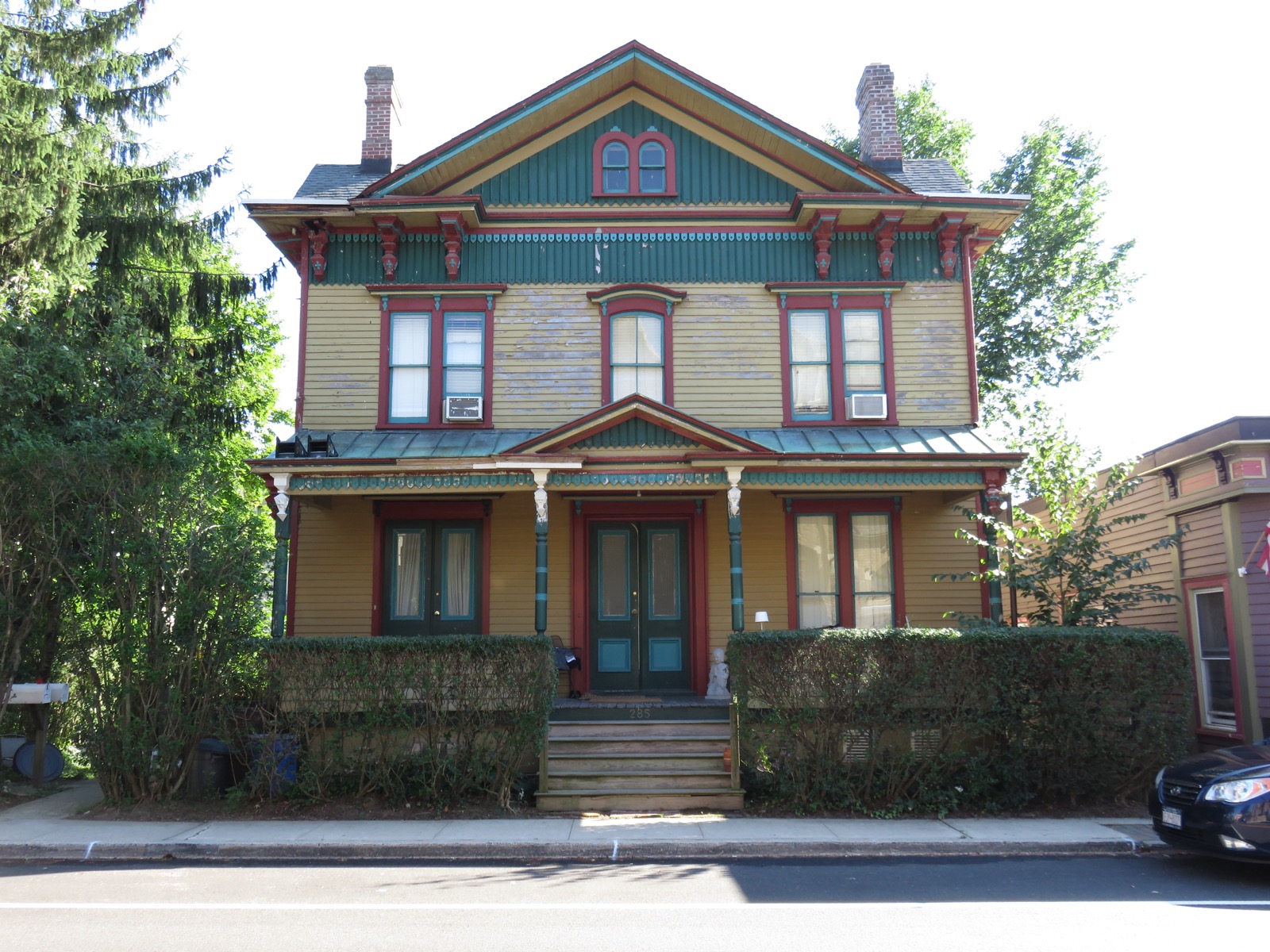
The Attorney General’s tenants’ rights guide and two sections of state statute set the baseline for North Shore renters, and a nonprofit fair housing agency handles landlord-tenant questions across Nassau. This page walks through each rule in plain terms. Moving for a rental? Start with the renting hub.
What rights does a tenant have in New York?
State law gives every residential tenant a livable, safe and sanitary apartment, a right implied in every written or oral lease. A lease clause that waives that right is void. Beyond habitability, the Attorney General’s Residential Tenants’ Rights Guide lists the core protections in the table below.
| Protection | Rule |
|---|---|
| Security deposit | No more than one month’s rent |
| Last month’s rent plus a deposit | Landlord cannot ask for both |
| Late rent | Late only if received more than five days after the due date |
| Late fee | $50 or 5% of monthly rent, whichever is less |
| Written rent demand before a non-payment case | 14 days |
| Notice to end a month-to-month tenancy outside NYC (tenant) | One month |
| Fee-charging listing services | Fee no more than one month’s rent, held in escrow |
| Heat in multiple dwellings | October 1 through May 31 |
Leases, notice and rent increases
Leases for apartments that are not rent stabilized may be oral or written. A party must sign a lease to be bound by its terms, and an oral lease for more than one year cannot be legally enforced. A tenant with a lease is protected from eviction during the lease period as long as the tenant does not violate a substantial provision of the lease or local housing codes.
Notice periods depend on how long you have lived in the unit. These tiers apply in a non-regulated unit when the landlord plans a rent increase of more than 5% or does not intend to renew. A tenant of less than one year, or one with a lease under one year, must get 30 days’ advance notice. A tenant of more than one year but less than two must get 60 days’ advance notice. A tenant of two or more years, or with a two-year lease, must get 90 days’ advance written notice.
A month-to-month tenancy may be ended by either party. Outside New York City, the tenant must give one month’s notice to end it. A landlord does not have to give a reason, only notice, and a refusal to leave leads to eviction proceedings.
Subletting has limits. Tenants in buildings with four or more apartments have the right to sublet with the landlord’s advance consent. Tenants in buildings with three or fewer apartments have no right to sublet. Where the right exists, a tenant may not sublet for more than two years within any four-year period.
Rent, late fees and receipts
Landlords must give a written receipt when rent is paid by cash, money order, cashier’s check or any form other than the tenant’s personal check.
Fees tied to finding a place are limited too. Apartment listing services that charge a fee must be licensed by the state, and their fees may not exceed one month’s rent and must go into an escrow account. Charging a prospective tenant “key money” above the lawful rent and security deposit is illegal. Deposit rules have their own page: security deposits in New York.
Rent control and rent stabilization in Nassau
Rent control limits the rent an owner may charge and restricts the owner’s right to evict. It is still in effect in parts of Nassau County, among other counties. Local Rent Guidelines Boards in Nassau set maximum yearly rent increases for rent-stabilized leases.
Outside New York City, rent-stabilized apartments are generally in buildings with six or more apartments built before January 1, 1974. Where those laws apply, a landlord may not charge more than the legal regulated rent. Stabilized tenants keep required services and renewal rights on the same terms as the original lease, and they may not be evicted except on grounds allowed by law.
Other changes in the guide:
- Landlords may no longer add a 20% increase when a rent-regulated unit becomes vacant.
- A rent-controlled tenant’s increase is capped at the average of the five most recent Rent Guidelines Board one-year renewal increases, or 7.5%, whichever is less.
- Landlords must register each rent-stabilized apartment with DHCR and give tenants a copy of the registration each year.
- A tenant in a regulated unit who believes rent increases break the law can complain to the state Department of Homes and Community Renewal.
Eviction: what a landlord must do first
A tenant can be legally evicted only after the landlord brings a court proceeding and obtains a judgment of possession, and only a sheriff, marshal or constable can carry out the warrant. RPAPL section 711 says no tenant may be removed from possession except in a special proceeding. For both regulated and unregulated apartments, landlords must first give formal notice of their intention to obtain legal possession.
Two proceedings cover most cases. A summary non-payment proceeding evicts a tenant who fails to pay the agreed rent when due and recovers what is owed. A summary holdover proceeding applies when a tenant significantly violates a substantial lease obligation. Non-payment cases start with a 14-day written rent demand, and RPAPL section 711 requires that notice to append or contain the notice required by Real Property Law section 231-c.
Three details matter to a tenant behind on rent:
- Until the warrant is executed, the case can be dismissed if the tenant pays all the rent owed.
- Accepting rent after the proceeding starts does not end the proceeding, under RPAPL section 711.
- A tenant who loses can ask the court for up to one year to move, by showing no similar apartment is available in the same neighborhood.
Self-help is illegal. A landlord cannot threaten violence, remove a tenant’s possessions, lock the tenant out or willfully cut essential services such as water or heat. Landlords may not take the law into their own hands and evict by force or unlawful means.
Repairs, heat and the warranty of habitability
Under Real Property Law section 235-b, landlords warrant that leased premises and shared areas are fit for human habitation. Occupants may not be subjected to conditions dangerous, hazardous or detrimental to life, health or safety. A condition caused by the tenant’s own misconduct is not a breach.
Examples of a breach include failing to provide heat or hot water on a regular basis, or failing to rid an apartment of an insect infestation. Heat must be supplied from October 1 through May 31 in multiple dwellings, and landlords must provide all tenants of multiple dwellings with both hot and cold water. The Multiple Residence Law applies to all towns and villages and to cities under 325,000 people.
A tenant has options when a landlord does not fix a problem:
- Sue for a rent reduction for breach of the warranty of habitability.
- In a rent-regulated unit, file a DHCR rent-reduction complaint, which must come not less than 10 days and not more than 60 days after the tenant sent written notice to the landlord.
- Bring the complaint to local housing officials; the Multiple Residence Law applies to all towns and villages.
- Withhold rent, a step the landlord may answer by suing for non-payment, to which the tenant may respond with a countersuit for breach of the warranty of habitability. See the warning below.
- In extenuating circumstances, make necessary repairs and deduct the reasonable cost from rent.
- Vacate and cancel the lease if fire or other damage not caused by the tenant makes the apartment uninhabitable and the lease does not say otherwise.
Withholding rent is a serious step with eviction risk. The landlord may try to evict a tenant for not paying. A judge who finds the withholding unreasonable can order the money paid to avoid eviction. Legal Services of Long Island advises talking to a lawyer first and keeping the withheld rent rather than spending it. Long Island Housing Services is another place to ask before taking this step.
Discrimination, harassment and retaliation
Landlords may not refuse to rent to, renew the lease of or otherwise discriminate against anyone because of race, creed, color, national origin, sex, disability, age, AIDS or HIV status, alcoholism, marital status or familial status. New York landlords also may not discriminate based on lawful source of income, including Social Security and any federal, state or local public assistance such as Section 8 vouchers.
Two related duties follow. Landlords must provide reasonable accommodations for tenants with disabilities. They may not refuse to rent to a person because children live with them, or insist on worse lease terms for that reason. A person alleging housing discrimination should contact HUD within one year of the practice occurring or ceasing.
Harassment is any action intended to force a tenant out or to make the tenant give up legal rights. It may take the form of physical or verbal abuse, willful denial of services, disruptive construction that interferes with health, safety and use of an apartment, or multiple frivolous lawsuits. Retaliation for joining a tenant organization is illegal, and landlords must let tenant organizations meet at no cost in a community or social room in the building.
Where to get help on Long Island
Long Island Housing Services is a nonprofit serving Nassau and Suffolk Counties, and it offers counseling to both tenants and landlords. Call Long Island Housing Services at 631-567-5111 ext. 376. For a complaint about rent increases in a regulated unit, the state agency is the Department of Homes and Community Renewal.
Looking for a place to rent? See apartments on the North Shore for median rents by town, and the Sea Cliff guide for one village’s renter share.

Questions renters ask
What are the rights of a tenant on Long Island?
Long Island tenants have the statewide rights: a deposit capped at one month's rent, a late fee capped at $50 or 5% of rent, and eviction only through a court and a sheriff, marshal or constable. Some Nassau communities add rent control or rent stabilization. Long Island Housing Services counsels both sides at 631-567-5111 ext. 376.
What are my rights as a tenant in NY?
A tenant has the right to a livable, safe and sanitary apartment, which is implied in every written or oral lease. Landlords may not discriminate, retaliate for tenant organizing, lock a tenant out or cut water or heat. Rent may be called late only after five days, and receipts are required for cash payments.
How long can a tenant stay without paying rent in NY?
A landlord cannot bring a non-payment case without a 14-day written rent demand. Accepting rent after the proceeding starts does not end it, but the case can be dismissed if the tenant pays all rent owed before the warrant is executed.
How long does it take to evict a tenant in Long Island, NY?
The steps run in a fixed order: a written rent demand, a court proceeding, a judgment of possession, then a warrant carried out by a sheriff, marshal or constable. A tenant who loses can ask the court for up to one year to move, by showing no similar apartment is available in the same neighborhood.
Can a landlord raise the rent without notice in New York?
In a non-regulated unit, a landlord planning a rent increase of more than 5%, or not renewing, must give advance notice: 30 days for a tenant of less than one year, 60 days for one to two years, 90 days for two or more years. Rent-regulated units fall under separate rules.
Can a tenant withhold rent for repairs in NY?
A tenant may withhold rent over a breach of the warranty of habitability, but the landlord may sue for non-payment, and the tenant may countersue for breach. A tenant can also sue for a rent reduction, and rent-regulated tenants can file a DHCR complaint 10 to 60 days after written notice to the landlord. Others can take complaints to local housing officials.
Read next
Renting
Security Deposit Rules in New York: Limits, Interest and 14-Day Return
New York security deposit rules for North Shore renters: the one-month cap, interest, inspections, the 14-day itemized return and small claims if it fails.
Renting
Apartments for Rent on Long Island's North Shore: Rents by Town and Where to Look
Median rents for 13 North Shore towns from Census data, which towns have the most rental homes, where to search for listings and how to spot a rental scam.
Towns
Living in Sea Cliff, NY: Taxes, Schools, Commute, Homes
Sea Cliff, NY by the numbers: Census income and home values, village tax rate and due dates, North Shore schools, the LIRR station and harbor access.
Sources
- Residential Tenants' Rights Guide - New York Attorney General · New York State Office of the Attorney General · ag.ny.gov · checked October 20, 2026
- NY Real Property Actions and Proceedings Law section 711 (via Wayback) · New York State Senate (Open Legislation) · nysenate.gov · checked October 20, 2026
- NY Real Property Law section 235-b, warranty of habitability (via Wayback) · New York State Senate (Open Legislation) · nysenate.gov · checked October 20, 2026
- Landlord & Tenant Rights - Long Island Housing Services · Long Island Housing Services · lifairhousing.org · checked October 20, 2026
- What Every Tenant Should Know - Legal Services of Long Island · Legal Services of Long Island · legalservicesli.org · checked October 20, 2026
Photos (2)
- Antony-22, CC BY-SA 4.0
- Muncharelli, CC BY-SA 3.0


Tax rates, fees and schedules change every year: each note shows the date it was checked. How we check facts · Report an error.