In this file
New York real estate agents work under written disclosure rules, and brokers must publish their own standardized procedures for homebuyers. This page covers both, then buying without an agent, iBuyer offers and closing scams. The rest of the buying guides cover what comes next: the home inspection, closing costs and co-ops and condos.
What an open house is and who runs it
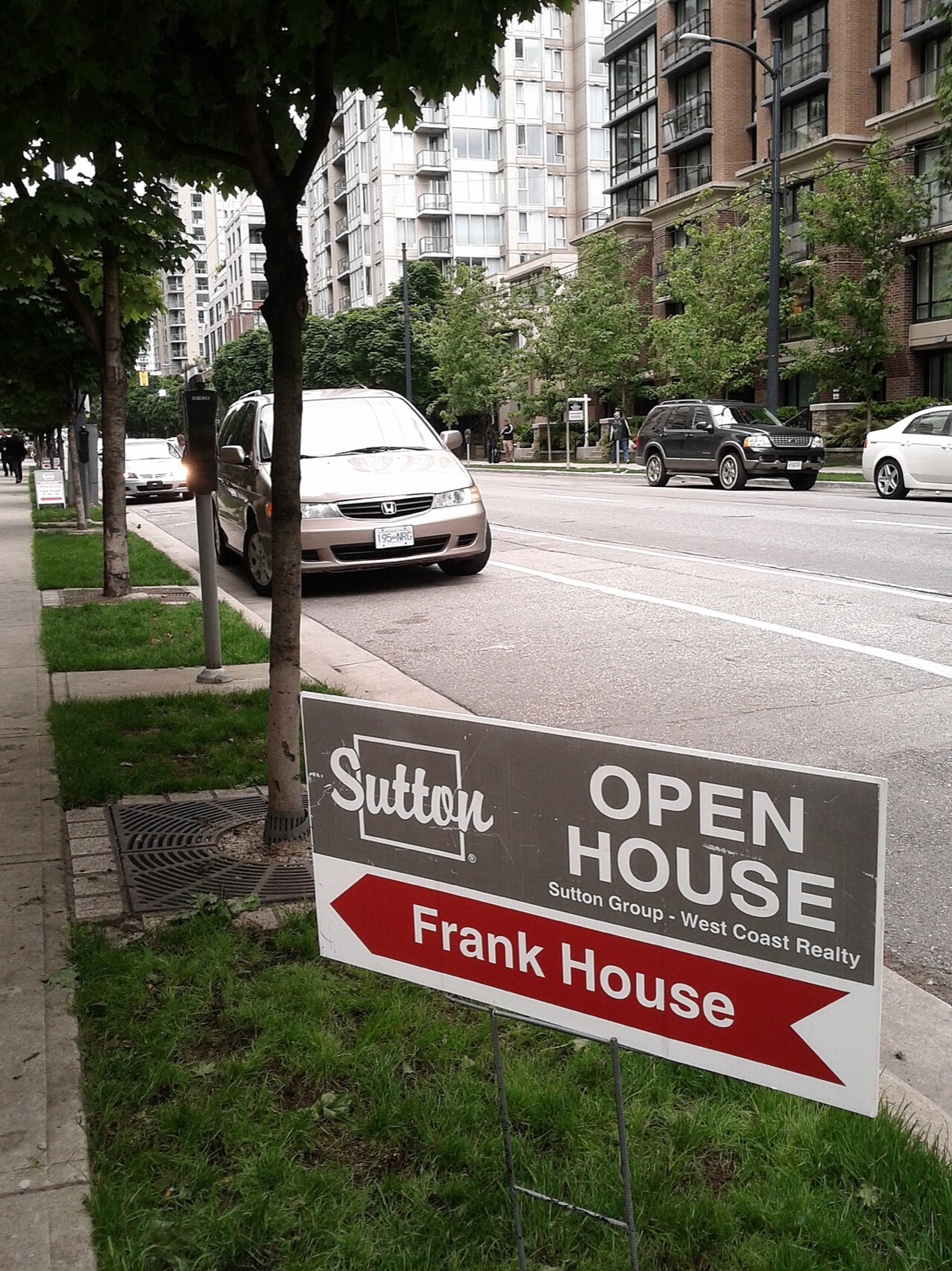
An open house is an event in which a building is open to the public. A real estate agent holds it to show a listed residential property to any interested parties. Agents and brokers represent sellers or buyers of real estate. They are licensed by the state to negotiate sales agreements and manage the documentation required for closing.
Payment of a commission to the brokerage is usually contingent upon finding a buyer for the real estate.
The New York disclosure form
The seller’s agent must give the disclosure form to a buyer at the time of the first substantive contact with the buyer. The agent must also obtain a signed acknowledgment from the buyer. The form is titled “New York State Disclosure Form for Buyer and Seller” and is marked as not a contract. Throughout a transaction a buyer may receive more than one disclosure form.
The agent must keep a copy of the signed acknowledgment for not less than three years.
The duty runs in more than one direction. A listing agent must give the form to a seller before entering a listing agreement. A buyer’s agent must give it to the buyer before agreeing to act as the buyer’s agent. A buyer or seller who refuses to sign an acknowledgment leaves the agent to set out the facts of the refusal in a written declaration under oath or affirmation, kept for not less than three years. The section applies only to transactions involving residential real property, defined to include one-to-four family dwellings and condominium or cooperative apartments. The version read for this page was published on 2022-08-19.
| Who | What the law requires |
|---|---|
| Seller’s agent | Give the form at first substantive contact; get a signed acknowledgment |
| Listing agent | Give the form to the seller before a listing agreement |
| Buyer’s agent | Give the form before agreeing to act for the buyer |
| Any agent | Keep the signed acknowledgment at least three years |
Agent roles on the form
A seller’s agent owes the seller reasonable care, undivided loyalty, confidentiality, full disclosure, obedience and a duty to account, and does not represent the interests of the buyer. In dealings with the buyer, a seller’s agent should disclose all facts known to the agent that materially affect the value or desirability of the property, except as otherwise provided by law.
A buyer’s agent owes the buyer the same six duties and does not represent the interests of the seller. A broker may represent both sides only if the buyer and seller give informed consent in writing. In that dual agency, the agent cannot provide the full range of fiduciary duties, and the buyer and seller give up their right to undivided loyalty. A seller or buyer may give advance informed consent to dual agency by indicating it on the form. A designated sales agent cannot provide the full range of fiduciary duties either.
What brokers must publish for homebuyers
Under Real Property Law section 442-h, each broker must institute standardized operating procedures for the prerequisites prospective homebuyers must meet before receiving any services. The procedures must say whether prospective clients show identification, whether an exclusive broker agreement is required and whether pre-approval for a mortgage loan is required.
Brokers must date stamp, notarize and post these procedures on any publicly available website and mobile application they maintain. They must give the public a copy on request at their office locations and keep a file of the procedures while the license is active. After any change, the new procedures must be date stamped, notarized and posted within thirty days. A broker or salesperson under the brokerage license who fails to follow them faces the penalties in section 441-c. Brokers must affirm to the Department of State, each time they renew a license, that they comply. The full text is at section 442-h.
Buyer preparation before you tour
The CFPB’s buying page sets out four stages. The first two come before an offer, and the last two come after it.
| Stage | When | What it covers |
|---|---|---|
| Prepare to shop | Before an offer | A little preparation sets a buyer up for success |
| Explore loan choices | Before an offer | With priorities and a budget in mind, a buyer starts shopping in earnest and begins meeting lenders |
| Choose a loan offer | After an offer | Get loan offers from lenders, compare them and choose the one that fits |
| Get ready to close | After an offer | The closing process brings lots of paperwork and things to keep track of |
Choosing the right home loan is as important as choosing the right home. A broker’s published procedures must say whether mortgage pre-approval is required. See the CFPB buying process page for the full sequence.
Buying without an agent
Some home buyers choose to forgo representation and proceed without a real estate agent. The unrepresented party assumes full responsibility for navigating the transaction, including showings, negotiations and paperwork. A broker cannot receive any compensation from a lender for referring a residential client to a specific lender. The federal RESPA law ensures that buyers and sellers get adequate notice of the settlement process.
How realistic are Opendoor offers?
iBuyers are companies that use technology to make quick offers on homes. Opendoor promoted itself as a tech company that uses pricing technology to offer more accurate offers and lower costs. In an August 1, 2022 consumer alert, the FTC alleged that Opendoor’s offers were lower than a home’s market value and that the company asked sellers to pay repair costs higher than what people would typically spend on repairs in a market sale.
As a result, sellers who sold their homes to Opendoor typically lost thousands of dollars compared with what they would have made on the open market. To settle the FTC’s charges that the company’s claims were deceptive, Opendoor agreed to pay $62 million, which the FTC will use for refunds to affected people. The FTC consumer alert has the full account.
Scams aimed at buyers
Scammers target homebuyers days before closing on their new home, and a few simple steps can protect a buyer and their life savings. The CFPB page was last modified Oct. 29, 2025. Its closing stage covers the paperwork around closing.
Questions buyers ask
What is an open house?
An open house is an event in which a building is open to the public. A real estate agent holds it to show a listed residential property to any interested parties.
How realistic are Opendoor offers?
In an August 1, 2022 alert, the FTC alleged that Opendoor's offers were lower than a home's market value and that sellers were asked to pay repair costs above what people typically spend in a market sale. Sellers who sold to Opendoor typically lost thousands of dollars compared with the open market, and Opendoor agreed to pay $62 million to settle the charges.
Must a New York agent disclose who they represent?
Yes. The seller's agent must give the disclosure form to a buyer at the first substantive contact and obtain a signed acknowledgment. Across all states, the licensee must disclose to buyers and sellers the nature of their relationship.
Can I buy a home without a real estate agent?
Some home buyers choose to go without an agent. The unrepresented party takes full responsibility for navigating the transaction, including showings, negotiations and paperwork.
What must a buyer provide to a New York broker before getting services?
Each broker must institute standardized procedures for the prerequisites prospective homebuyers must meet before receiving any services, including whether identification, an exclusive broker agreement and mortgage pre-approval are required. Brokers post them date stamped and notarized on any public website and give a copy on request at their offices.
When do scammers target homebuyers?
Scammers target homebuyers days before closing on their new home. The CFPB's buying page runs four stages: prepare to shop, explore loan choices, choose a loan offer and get ready to close.
Read next
Buying
Home Inspection on Long Island: What It Covers, What It Costs and Who Can Do It
What a New York home inspection includes and leaves out, the state licensing and report rules, and one company's Spring 2026 Long Island price survey.
Buying
Co-ops vs Condos in New York: Ownership, Offering Plans, Costs and Tax Basics
How co-op and condo ownership differ in New York: shares versus units, maintenance charges, the offering plan, building repair costs and IRS treatment.
Buying
Buyer Closing Costs on Long Island: Transfer, Mansion and Mortgage Tax
Who pays New York's transfer tax and mansion tax, how the mortgage recording tax works in Nassau County, and which Clerk recording fees apply to a purchase.
Sources
- NY Real Property Law 443, Disclosure regarding real estate agency relationship; form (via Wayback) · New York State Senate · nysenate.gov · checked October 20, 2026
- NY Real Property Law 442-h, Rules of the secretary of state (via Wayback) · New York State Senate · nysenate.gov · checked October 20, 2026
- Closing the door on home buying company Opendoor's false claims - FTC Consumer Alert (via Wayback) · Federal Trade Commission · consumer.ftc.gov · checked October 20, 2026
- Owning a home: the process of buying a home - CFPB (via Wayback) · Consumer Financial Protection Bureau · consumerfinance.gov · checked October 20, 2026
- Open House - Wikipedia · Wikipedia · en.wikipedia.org · checked October 20, 2026
- Real estate broker - Wikipedia · Wikipedia · en.wikipedia.org · checked October 20, 2026


Tax rates, fees and schedules change every year: each note shows the date it was checked. How we check facts · Report an error.